
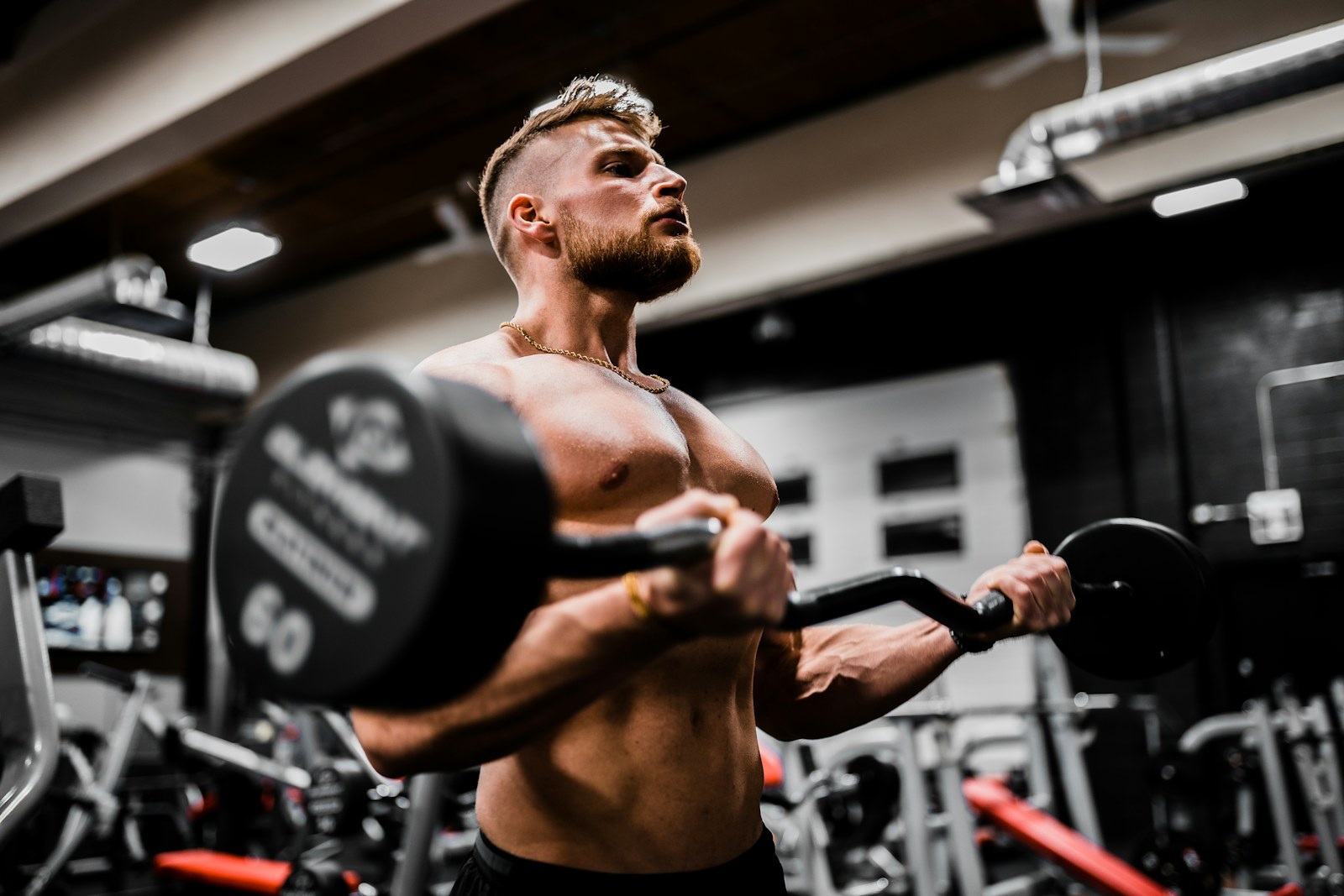
Start with the exercises you actually perform
A compact set is only useful if its weight range supports your current training and gives you room to progress. List your five most common movements and the loads you use for each. Most beginners can cover presses, rows, split squats, Romanian deadlifts, and curls with a moderate range, while experienced lifters may need heavier pairs.
Adjustment speed versus durability
Dial systems are fast for circuits, while plate-loaded handles are simple and easy to repair. Fast changes matter when a workout alternates exercises, but a sturdy locking mechanism matters more than saving a few seconds. Test whether the selected plates remain secure when the dumbbell is tilted.
Handle shape and usable length
A long handle can feel awkward during curls and overhead triceps work. Look for a neutral grip diameter, consistent knurling, and enough clearance for the wrist. Rubberized grips can feel comfortable but may wear faster in hot garages or humid rooms.
Our recommendation framework
We compare maximum load, minimum increments, adjustment method, replacement-part availability, warranty terms, and cost per kilogram or pound. We do not rank a product solely because it offers a commission. The best choice is the one that fits your exercises, storage space, and realistic progression.
Bottom line
Use this guidance as a framework, then adapt it to your experience, equipment, budget, and health needs. Sustainable choices are the ones you can repeat.